
Ministry Deploys 6,784 Interns to Strengthen Kenya’s Healthcare Workforce

General
Ministry Deploys 6,784 Interns to Strengthen Kenya’s Healthcare Workforce
- By GetCovered Team
- July 2, 2026
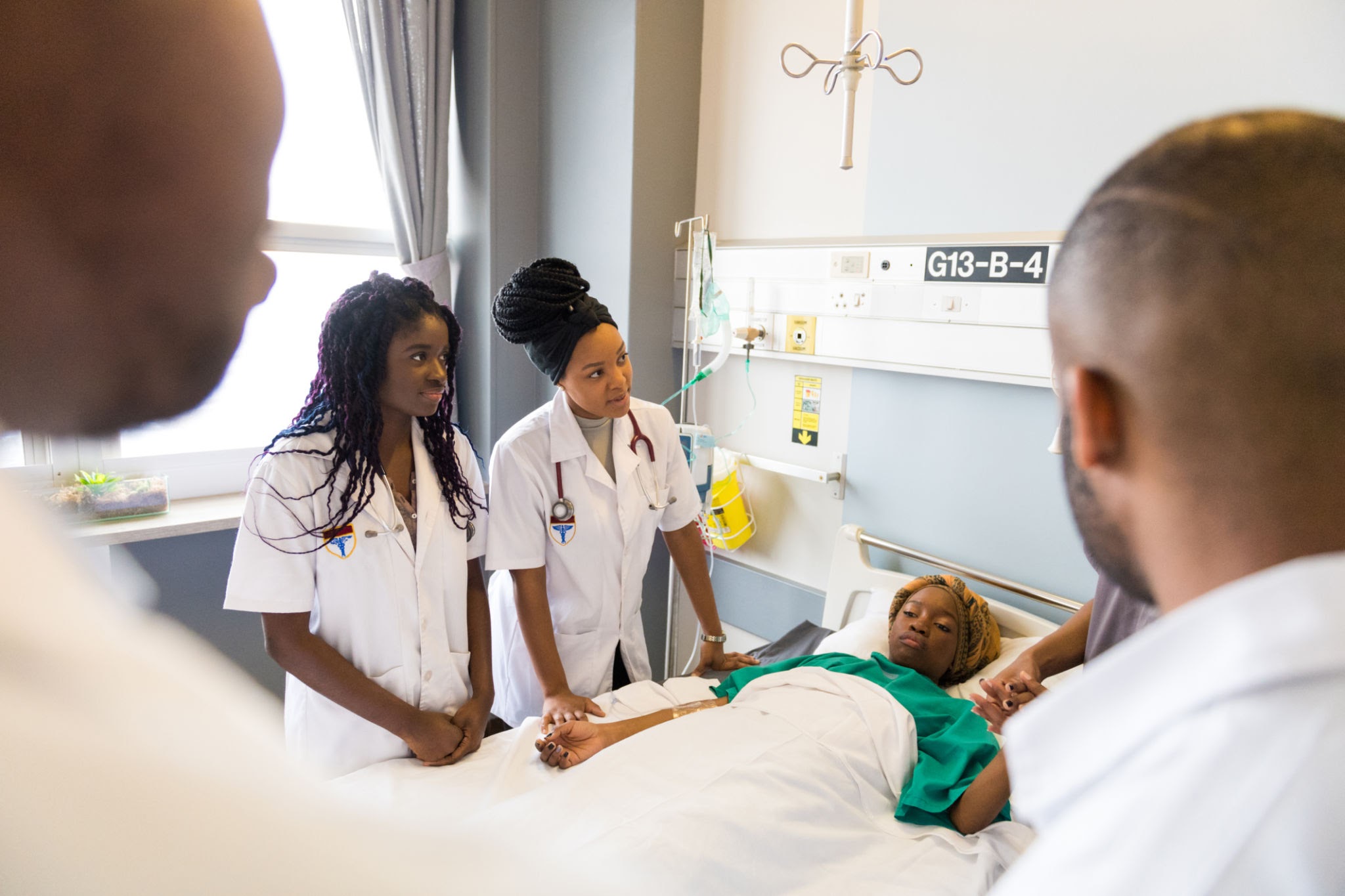
Late in the afternoon in Lodwar County Referral Hospital, 17-year-old Sharon waited beside her grandmother for nearly three hours before a doctor arrived. The waiting room was already full. Mothers held babies. Elderly patients sat quietly on benches. Nurses moved quickly between wards.
Then a new group of young healthcare workers walked through the hospital gates.
Some carried bags. Others held documents from the Ministry of Health. They had just arrived to begin their internships.
For families like Sharon’s, these new healthcare workers could mean shorter queues and faster treatment.
That is why the Ministry of Health’s decision to deploy 6,784 healthcare interns across Kenya matters.
These interns will work in hospitals and health centres across the country. They include doctors, nurses, pharmacists, dentists, clinical officers, nutritionists and laboratory professionals.
Here's the thing.
Many Kenyan hospitals struggle with staff shortages. Patients wait longer. Workers become exhausted. Some facilities serve thousands of people with only a few medical professionals.
The new deployment hopes to change that.
Why did Kenya deploy 6,784 healthcare interns?
The Ministry of Health wants to increase the number of healthcare workers in public hospitals.
Kenya has experienced a shortage of doctors, nurses and specialists for many years. Counties often report empty positions. Some workers retire while others move to private hospitals or overseas jobs.
Internship gives graduates practical experience before they receive full licenses.
The 6,784 interns will serve in county referral hospitals, sub-county hospitals and specialized facilities.
These interns include:
• Medical doctors
• Nurses
• Pharmacists
• Clinical officers
• Nutritionists
• Dentists
• Laboratory technologists
Young professionals gain experience.
Patients receive additional support.
Hospitals receive more workers.
That combination helps the healthcare system.
What problem are hospitals facing?
Let's be honest.
Many public hospitals remain overcrowded.
Patients sometimes wait several hours before seeing a doctor. Emergency rooms become crowded. Laboratories receive many tests every day.
Some counties report doctor-to-patient ratios far below recommended levels.
A family may spend KSh 1,500 to KSh 5,000 traveling to a referral hospital because local facilities lack enough staff.
Others pay KSh 2,000 or more at private clinics simply to avoid long queues.
That's the problem.
Healthcare becomes expensive when public services cannot handle patient numbers.
More workers may help reduce these delays.
How much money does the government spend on medical internships?
Training healthcare workers costs money.
The government pays intern allowances and supervises their placement.
Medical doctor interns often receive monthly stipends running into tens of thousands of shillings. Other healthcare professionals also receive allowances depending on their categories.
County governments also spend money on:
• Accommodation support
• Hospital equipment
• Supervision programs
• Clinical training
• Protective equipment
These investments aim to improve healthcare services.
The money spent today may reduce future healthcare shortages.
What do the numbers show?
Healthcare Category Estimated Number of Interns
Medical Doctors 1,300
Nurses 2,500
Clinical Officers 1,200
Pharmacists 400
Laboratory Officers 700
Nutritionists and Others 684
Total 6,784
The figures show that nursing and clinical services receive the largest share.
Hospitals need these workers because they interact with patients every day.
Which counties may benefit the most?
Counties with fewer healthcare workers could benefit greatly.
These include:
• Turkana
• Marsabit
• Samburu
• Garissa
• Wajir
• Tana River
Some urban counties also need more workers because they serve large populations.
Nairobi hospitals receive thousands of patients daily.
Kisumu and Mombasa also experience heavy demand.
Referral hospitals often struggle during disease outbreaks.
Additional interns can support permanent staff.
How do interns help patients?
Interns perform many duties under supervision.
They:
• Examine patients.
• Conduct laboratory tests.
• Assist during deliveries.
• Provide nutrition advice.
• Dispense medicine.
• Support emergency care.
Patients may receive treatment faster.
Queues may become shorter.
Hospital staff may experience less burnout.
Young healthcare workers also introduce new skills learned during training.
Technology, digital systems and modern treatment approaches continue to change healthcare.
Interns bring fresh knowledge.
GET COVERED KENYA
Hospital bills can arrive unexpectedly. Health insurance helps families manage treatment costs and access private healthcare facilities when needed.
Explore affordable health insurance plans through GetCovered Kenya.
How does this affect health insurance?
Many families rely on public hospitals because treatment costs remain lower.
Yet some treatments still create financial pressure.
A hospital admission can cost:
• KSh 10,000 for minor procedures.
• KSh 50,000 for surgery.
• More than KSh 100,000 for specialized treatment.
Health insurance helps families handle these expenses.
Even with additional healthcare workers, medical costs continue to rise.
Parents increasingly consider health insurance to protect household finances.
Kenyans should understand how health insurance works because medical emergencies can happen at any time.
Healthcare workers and insurance work together.
One provides treatment.
The other helps pay for it.
Will the internship program create more jobs?
Many young graduates struggle to find permanent employment.
Internship gives them practical experience.
Some counties later hire interns permanently.
Private hospitals may also recruit them.
Kenya produces thousands of healthcare graduates every year.
Without internship opportunities, these graduates cannot complete professional registration requirements.
The current deployment gives thousands of young people an opportunity to start their careers.
That benefits both the healthcare sector and the economy.
What challenges could the program face?
Several challenges remain.
Delayed payments sometimes affect interns.
Housing shortages can make rural placements difficult.
Some hospitals lack enough equipment.
Heavy workloads may also affect young workers.
Counties and the national government must work together.
Interns require:
• Fair pay.
• Supervision.
• Equipment.
• Safe working conditions.
• Career opportunities.
Without these, the benefits may not last.
What does this mean for medical graduates?
Students may wonder why this story matters.
It matters because today's students become tomorrow's healthcare workers.
Many secondary school students dream of becoming:
• Doctors.
• Nurses.
• Pharmacists.
• Dentists.
• Nutritionists.
The deployment shows that healthcare careers remain important.
Kenya needs more professionals.
Students who enjoy biology, chemistry and helping people may consider healthcare careers.
The country continues to require trained workers.
Could this improve Kenya's future healthcare system?
The answer may be yes.
More trained professionals strengthen hospitals.
Patients receive care faster.
Workers gain experience.
Communities receive better services.
Kenya's population continues to grow.
Demand for healthcare also increases.
The country needs doctors, nurses and specialists in both urban and rural areas.
The internship program alone cannot solve every problem.
Still, it provides an important step.
Every additional healthcare worker can make a difference.
Frequently Asked Questions
1. How many healthcare interns has Kenya deployed?
The Ministry of Health deployed 6,784 healthcare interns across various counties and health facilities.
2. Which professionals are included in the internship program?
The program includes doctors, nurses, pharmacists, clinical officers, laboratory technologists, dentists and nutritionists.
3. Why are healthcare interns necessary?
Hospitals face staff shortages. Interns help reduce workloads and improve patient services.
4. Will interns receive payment?
Yes. Interns receive government stipends during their training period.
5. How does health insurance relate to this story?
Health insurance helps families manage medical expenses while healthcare workers provide treatment services.
One Action Step for Families
Visit your nearest public hospital and learn about the services available in your area. At the same time, compare health insurance options that can protect your family against unexpected medical bills.
Author Bio
Vincent Oseko is a Kenyan health journalist and public health researcher who has written extensively about healthcare systems and medical financing in East Africa. He regularly contributes health policy analysis and consumer health stories for Kenyan audiences.